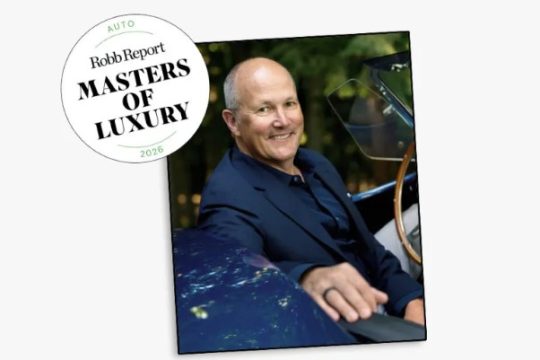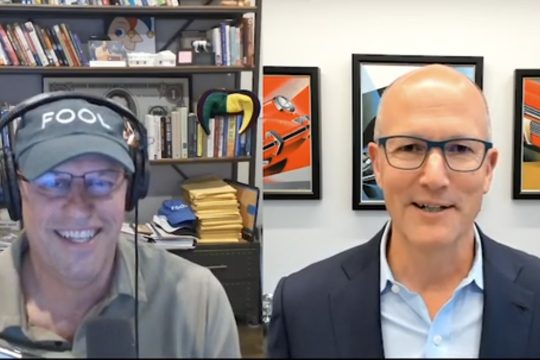
At the Aspen Ideas Festival, Tom Wilson (CEO of Allstate) shared the framework his company uses before taking any public position. It’s brilliantly simple:
1. Does this help us do a better job for our customers?
2. Do we know anything about it?
3. Can we actually affect any change?
4. What’s the risk and return?
Wilson explained: “You get used to saying no. You have to have a framework.”
This framework helped Allstate navigate everything from bathroom bills in North Carolina (they passed) to China Olympics advertising (they proceeded despite Wilson’s personal concerns because it served customers).
What struck me: Wilson isn’t avoiding difficult decisions—he’s making principled ones using consistent criteria.
This connects to research from Nobel laureate Daniel Kahneman on decision-making under uncertainty. When we lack frameworks, we default to emotional reactions or social pressure. Frameworks force us to consider multiple variables systematically.
The genius of Wilson’s approach:
✔️ Customer focus prevents self-serving decisions
✔️ Knowledge assessment prevents uninformed activism
✔️ Impact evaluation prevents symbolic gestures
✔️ Risk analysis prevents careless exposure
I’ve adapted this for strategic decisions:
✔️ Does this serve our core mission?
✔️ Do we have genuine expertise here?
✔️ Can we realistically move the needle?
✔️ What could go wrong, and is it worth it?
The result: Clearer decisions, fewer regrets, more consistent leadership.
Wilson’s example reminds me of Warren Buffett’s approach to investment decisions. Buffett uses simple criteria consistently applied rather than complex models that change with circumstances.
The question that challenges me: What framework guides your difficult decisions? And how do you ensure you’re applying it consistently when the pressure is on?
Tom Wilson has led Allstate since 2007, maintaining strong financial performance while navigating complex social issues. Daniel Kahneman’s “Thinking, Fast and Slow” explores systematic decision-making frameworks.